Evaluating the Coffee and Jesus Faux Stitch PNG for Custom Apparel
The intersection of faith-based expression and modern crafting trends has created a robust market for niche digital designs. Among these, the Coffee and Jesus Faux Stitch PNG T-shirt design has emerged as a popular choice for creators looking to produce custom apparel and home goods. This specific type of digital asset combines two universally relatable themes—morning coffee routines and spiritual devotion—rendered in a "faux stitch" aesthetic that mimics the look of embroidery without requiring actual needlework. For individuals researching digital downloads for print-on-demand businesses or personal crafting projects, understanding the capabilities, limitations, and ideal applications of this file format is essential for making an informed purchasing decision.
Understanding the Faux Stitch Aesthetic
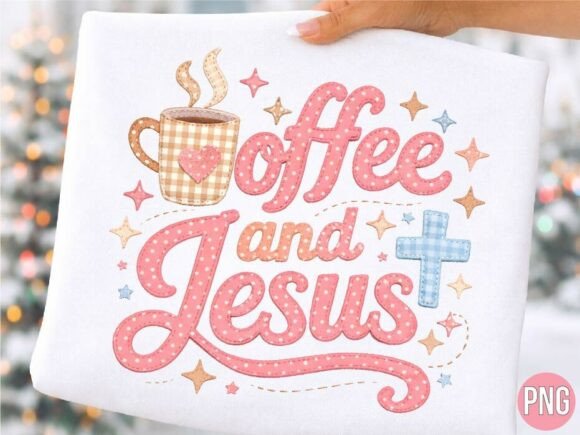
The term "faux stitch" refers to a digital graphic style designed to replicate the texture, depth, and thread-like appearance of traditional embroidery. Unlike a standard flat vector or raster image, a high-quality faux stitch PNG utilizes shading, highlights, and simulated thread direction to create a three-dimensional illusion. When applied to a Coffee and Jesus Faux Stitch PNG T-shirt design, this technique adds a layer of perceived craftsmanship and warmth to the final product. It appeals to consumers who appreciate the cozy, handmade look of embroidered goods but require the speed and scalability of digital printing methods.
The core subject matter typically features typography or iconography linking coffee consumption with religious sentiment, such as phrases like "But First, Jesus" or imagery of a steaming mug alongside a cross. The combination is intended to resonate with a demographic that views their daily caffeine ritual as a moment of reflection or prayer. The visual execution relies heavily on the resolution and transparency of the source file to ensure the simulated threads look realistic against various fabric colors.
Key Benefits for Designers and Crafters
One of the primary advantages of utilizing a pre-made Coffee and Jesus Faux Stitch PNG T-shirt file is the significant reduction in design time. Creating a realistic embroidery effect from scratch requires advanced skills in graphic design software, including complex layering, noise filters, and manual shading techniques. By acquiring a professionally prepared 300 DPI high-resolution file, creators can bypass the technical learning curve and focus immediately on production. This efficiency is particularly valuable for small business owners managing tight deadlines or high order volumes.
Furthermore, the versatility of the PNG format with a transparent background allows for effortless layering. Whether the end goal is a dark heather grey t-shirt, a white ceramic mug, or a colored tote bag, the transparent background ensures that no unwanted white boxes surround the design. This adaptability makes the asset suitable for a wide range of substrates beyond just apparel, including stickers, tumblers, journals, and pillows. The high resolution (300 DPI) ensures that the fine details of the simulated stitching remain crisp even when the image is scaled up for larger formats like throw pillows or wall art.
Technical Considerations and File Specifications
Before integrating this design into a workflow, it is crucial to verify technical compatibility. The product is delivered as a digital download, typically contained within a ZIP folder that must be extracted before use. Users should ensure their preferred software—whether it be Adobe Photoshop, Canva, Procreate, or a specialized heat press interface—supports PNG files with alpha channels (transparency). While most modern design tools handle this format seamlessly, older or limited mobile applications may struggle with layering or transparency, potentially resulting in a solid background that detracts from the design's quality.
It is also important to manage expectations regarding the "stitch" effect. Since this is a printed graphic and not actual thread, the tactile experience will differ from genuine embroidery. On certain fabrics, particularly those with heavy textures, the printed ink may not perfectly mimic the raised feel of real stitching. However, for visual purposes on smooth surfaces like mugs, stickers, or high-thread-count shirts, the illusion is often convincing enough to satisfy the end consumer. Users should consider the target audience's preference for visual aesthetics versus tactile authenticity when selecting this design for specific products.
Ideal Use Cases and Market Fit
The Coffee and Jesus Faux Stitch PNG T-shirt design is a strong fit for several specific scenarios. It is highly effective for print-on-demand (POD) businesses targeting the Christian lifestyle market, especially during seasons associated with gifting, such as Easter, Christmas, or Mother's Day. The universal appeal of coffee culture combined with faith creates a broad potential customer base. Additionally, crafters using sublimation printing will find this design particularly useful, as the vibrant colors and detailed shading of the faux stitch style translate well onto polyester-blend fabrics and coated hard goods.
This asset is also suitable for creating cohesive product lines. A seller could use the same design across multiple items—a matching set of a t-shirt, a travel mug, and a journal—to increase average order value. The neutral yet engaging theme allows it to blend into casual wardrobes while still making a statement about the wearer's values. For church groups or ministry teams looking for affordable, unified apparel that feels more premium than a standard screen print, this digital design offers a cost-effective solution.
When to Consider Alternatives
While the faux stitch PNG offers many benefits, it may not be the optimal choice for every project. If the primary goal is to create luxury goods where tactile quality is the main selling point, actual embroidery or chenille patches may be superior alternatives. Customers willing to pay a premium for genuine texture might perceive a printed imitation as lower quality, regardless of how realistic the graphic appears. In such cases, investing in digitized embroidery files and working with a machine embroiderer would yield a better result.
Additionally, if a designer requires extensive customization of the text or layout, a static PNG file may be limiting. Unlike SVG (Scalable Vector Graphics) files, PNGs are raster images; enlarging them beyond their original dimensions can lead to pixelation, and editing individual elements within the design is difficult without advanced photo manipulation skills. If a project demands frequent color variations of the text or the ability to separate the coffee cup from the lettering, purchasing an SVG bundle or a layered PSD file might provide the necessary flexibility. Users should assess whether their need for speed and ease of use outweighs the need for infinite scalability and editability.
Making the Decision
Selecting the right digital asset ultimately depends on the specific goals of the project and the capabilities of the creator. The Coffee and Jesus Faux Stitch PNG T-shirt design represents a balanced compromise between aesthetic appeal and production efficiency. It is best suited for entrepreneurs and hobbyists who prioritize quick turnaround times, diverse product application, and a trendy visual style that resonates with faith-oriented audiences. By understanding the file specifications, recognizing the distinction between printed graphics and physical embroidery, and aligning the design with appropriate product types, buyers can effectively leverage this digital tool to enhance their creative portfolios and business offerings.